Can Flat Foot and Collapsing Arches Be Prevented: Tips for Maintaining Healthy Feet
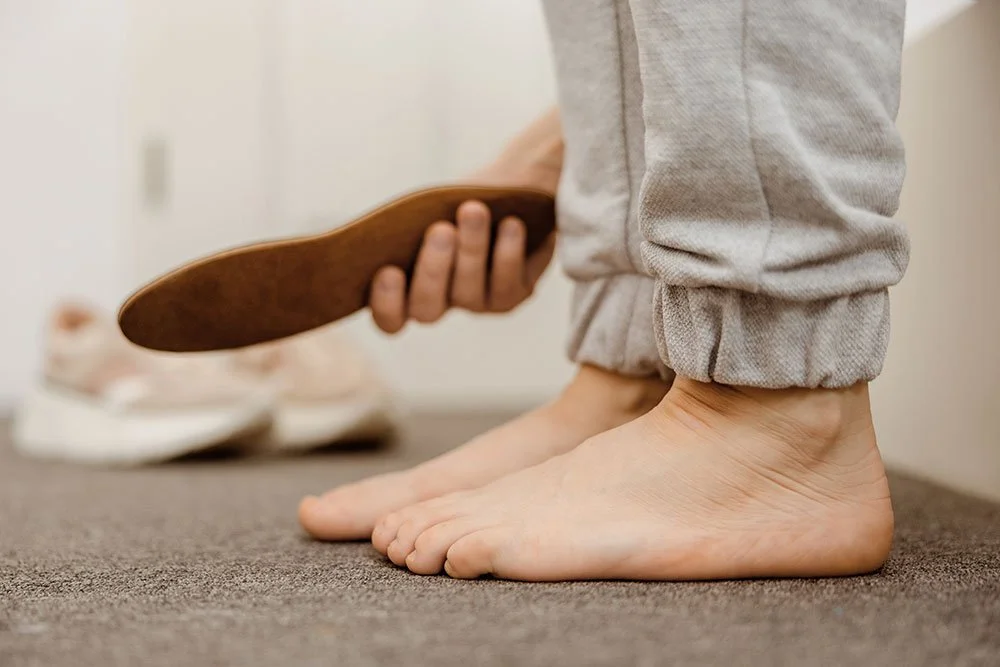
By Dr. John Paul Elton, Foot and Ankle Specialist at Vail Summit Orthopaedics and Neurosurgery
When foot mechanics change, people often notice discomfort, fatigue, or reduced stability in daily activities. One of the most common concerns Dr. John Paul Elton hears in clinic is whether a flat foot, a collapsed arch, or fallen arches can be prevented or strengthened early. The encouraging news is that with awareness and consistent care, many patients can maintain healthier foot function.
Below, Dr. Elton answers common questions about preventing progression of a flat foot, a collapsed arch, or fallen arches.
What causes a flat foot or collapsing arch in the first place
A flat foot or collapsed arch can result from several factors. Some people inherit flexible arches, while others develop fallen arches over time due to tendon weakness, ligament laxity, aging, or injury.
Dr. Elton explains, “The foot is a complex structure with many stabilizing tendons and ligaments. When these tissues weaken or stretch, the arch begins to drop. Catching changes early is incredibly important.”
Common contributors include:
Genetics and naturally flexible feet
Prior ankle or foot injuries
Age related weakening of stabilizing tendons
Prolonged standing on hard surfaces
Poor footwear support
Can a flat foot or collapsed arch be prevented
In many cases, yes. While genetics cannot be changed, the progression of a flat foot or collapsed arch can often be slowed.
Dr. Elton notes, “Small daily habits make a big difference. Strengthening the muscles that support the arch can help maintain healthier mechanics as you age.”
Helpful prevention strategies include:
Strengthening the intrinsic foot muscles
Wearing supportive shoes
Monitoring early symptoms
Using orthotics when needed
Even if fallen arches are already present, improving stability can reduce pain and prevent worsening.
What exercises help prevent fallen arches
Strengthening is one of the most effective ways to support the arch and prevent further collapse of a flat foot, a collapsed arch, or fallen arches.
Recommended exercises include:
Short foot exercise to train the muscles that lift the arch
Calf raises to build ankle and calf support
Toe spreads and towel scrunches to improve control of stabilizing muscles
Balance training to enhance coordination and alignment
Please consult a medical professional before beginning any new exercise program to ensure it is safe and appropriate for your specific needs.
Do shoe choices affect arch health
Yes. Footwear plays a major role in preventing strain on the arch. Supportive shoes help reduce excessive flattening in patients with a flat foot or a collapsed arch.
Look for shoes with:
A firm heel counter
Good midfoot support
A structured and cushioned midsole
A removable insole if custom orthotics are used
Worn out shoes can worsen fallen arches by allowing excessive inward rolling.
When should someone consider orthotics
Orthotics are especially helpful when early signs of a flat foot or collapsed arch begin to appear. They improve alignment, redistribute pressure, and support weakened tissues.
Dr. Elton may recommend orthotics for:
Pain along the arch or inside the ankle
Progressive fallen arches
Difficulty walking long distances
Fatigue during standing or activity
Orthotics cannot reverse a flat foot, but they often slow progression and greatly improve comfort.
What symptoms suggest it is time to see a foot specialist
A flat foot, collapsed arch, or fallen arches may require professional evaluation when symptoms increase or mobility changes.
Key signs include:
Persistent arch or heel pain
Swelling along the inside of the ankle
Noticeable inward rolling of the foot
Reduced activity tolerance
Increasing flattening over time
Dr. Elton emphasizes, “The earlier we evaluate a flat foot or collapsed arch, the more options we have to maintain long term function.”
Final Thoughts
Healthy feet begin with awareness, strengthening, supportive footwear, and early evaluation. Whether you are noticing the first signs of a flat foot, trying to prevent a collapsed arch, or managing fallen arches already causing discomfort, proactive care can protect your mobility for years.
If you have questions about your arches or want personalized guidance, Dr. John Paul Elton and the team at Vail Summit Orthopaedics and Neurosurgery are here to help you stay strong and active. Contact us today!