Does an Ankle Replacement Set Off Metal Detectors? What You Need to Know
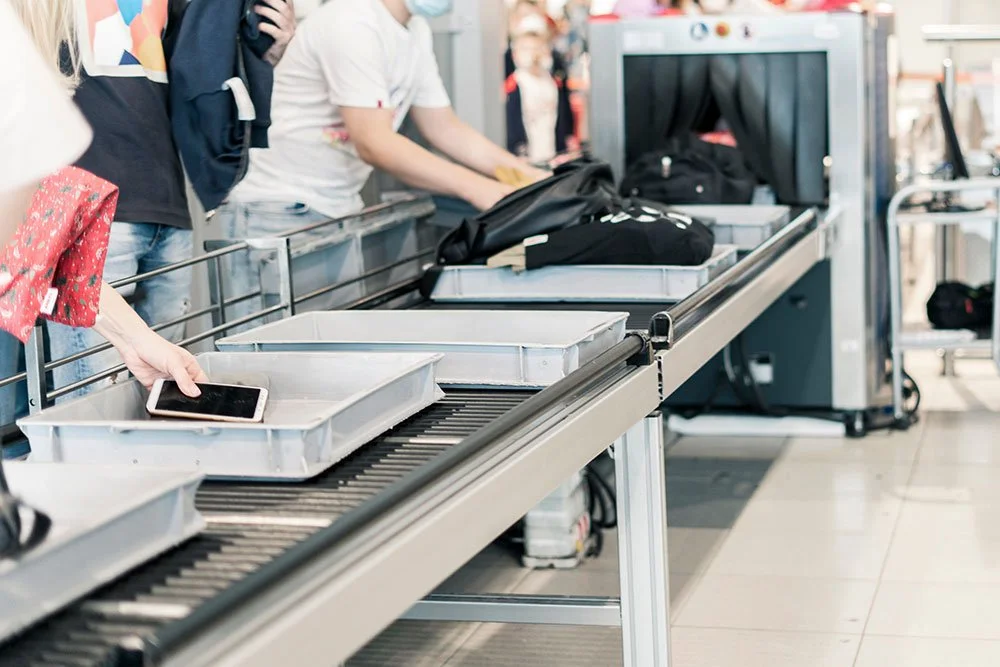
When you choose a new ankle through an ankle joint replacement procedure, questions about daily life afterward are common. One of the most frequent concerns involves travel. Will a traveling ankle replacement set off airport metal detectors? Will you need documentation? What should you expect at security screenings?
Below, Dr. John Paul Elton, Harvard trained foot and ankle specialist at Vail Summit Orthopaedics and Neurosurgery, answers your most important questions so you can move confidently with your new ankle and enjoy stress free travel.
Will an Ankle Replacement Set Off Metal Detectors
Possibly. It depends on the type of implant and the sensitivity level of the scanner you are walking through. Most ankle joint replacement implants contain medical grade metal alloys that are durable, biocompatible, and long lasting. These materials can sometimes trigger security systems, especially if the settings are high.
However, many patients with a traveling ankle replacement report that they do not set off metal detectors at all. Modern airport systems use advanced imaging that focuses on identifying threats, not medical implants. Still, occasional alerts are completely normal and nothing to worry about.
Why Might My New Ankle Trigger Airport Security
Your new ankle includes metal components that restore function, stability, and alignment to the ankle joint. These materials are designed for strength and longevity, which means they may be picked up by sensitive scanners even though they pose no risk.
Some factors that increase the likelihood of detection include:
Higher sensitivity in older scanner systems
Larger implant components used in certain ankle joint replacement designs
A traveling ankle replacement that includes titanium or cobalt chrome alloys
Even if your implant triggers an alarm, security staff encounter orthopedic implants every day and are trained on how to quickly clear you.
Should I Tell TSA About My Ankle Replacement Before Screening
You can, but you do not have to. Informing a TSA agent early can make the process smoother, especially if you already know your new ankle tends to activate detectors. A simple statement such as I have an ankle replacement is enough.
Agents may direct you to:
A standard pat down
A secondary screening
A full body scanner that visually confirms the presence of your ankle joint replacement
All of these steps are routine and efficient.
Do I Need a Doctor’s Note or Implant Card for Travel
No documentation is required. TSA does not accept medical cards as proof and will still perform standard screening procedures.
That said, some patients with a traveling ankle replacement find it helpful to carry a small card for personal convenience or peace of mind. While optional, it can be useful in countries outside the United States.
Will Full Body Scanners Detect My Ankle Joint Replacement
Yes. Full body scanners can see your implant clearly. These scanners are often preferred for patients with a new ankle because they reduce the chance of triggering alarms and allow TSA agents to clear you quickly.
The scanner will highlight the region of your ankle joint replacement so an agent can verify that everything is consistent with a medical implant. This is a smooth and painless process that takes seconds.
Can I Travel Soon After My Ankle Replacement Surgery
Yes, but timing matters. Most patients with a traveling ankle replacement can fly within a few weeks depending on their recovery progress. Dr. Elton typically recommends waiting until swelling is controlled and mobility is stable. You should also take steps to reduce blood clot risk, such as:
Standing or stretching periodically
Wearing compression socks
Staying hydrated
Your new ankle should not prevent you from enjoying vacations, family trips, or work travel as long as you follow your postoperative guidelines.
What Should I Do If My Ankle Replacement Sets Off the Alarm
Stay relaxed. This happens frequently with orthopedic implants.
Here is what to expect:
You will step aside briefly for inspection
The agent may use a handheld scanner
They may perform a light pat down around the area
TSA encounters patients with a new ankle and other joint replacements every day. The process is quick, professional, and routine.
Can Metal Detectors Damage My Implant
No. Security scanners and metal detectors cannot harm, magnetize, or loosen your ankle joint replacement. Your implant is permanently fixed in place and safe during all airport screening procedures. Traveling through security has absolutely no negative effect on your new ankle.
Final Thoughts
A traveling ankle replacement should not cause stress or hesitation when planning your next trip. While your implant may or may not set off metal detectors, the security process is simple and familiar to agents around the world. With proper preparation and understanding, patients with an ankle joint replacement can travel confidently and comfortably.
If you have additional questions about your new ankle or want guidance for upcoming travel, Dr. John Paul Elton and his team at Vail Summit Orthopaedics and Neurosurgery are here to support you every step of the way. Contact us today!